

How to Get Off 7-OH
If 7-OH has become hard to control or hard to stop, you’re probably looking for three answers: why did this happen, what will withdrawal be like, and how do I get out of it?

For many people, 7-OH is the latest step in a longer opioid or kratom history. For others, it was the first opioid-like product that really clicked.
Either way, there are effective ways to treat this.
I’ve treated opioid addiction for more than 20 years and have watched kratom-related products evolve from traditional leaf to extracts, concentrated 7-OH and newer compounds.
The goal isn’t just getting through withdrawal. It’s getting the problem back under control.
7-OH Is Short for 7-Hydroxymitragynine
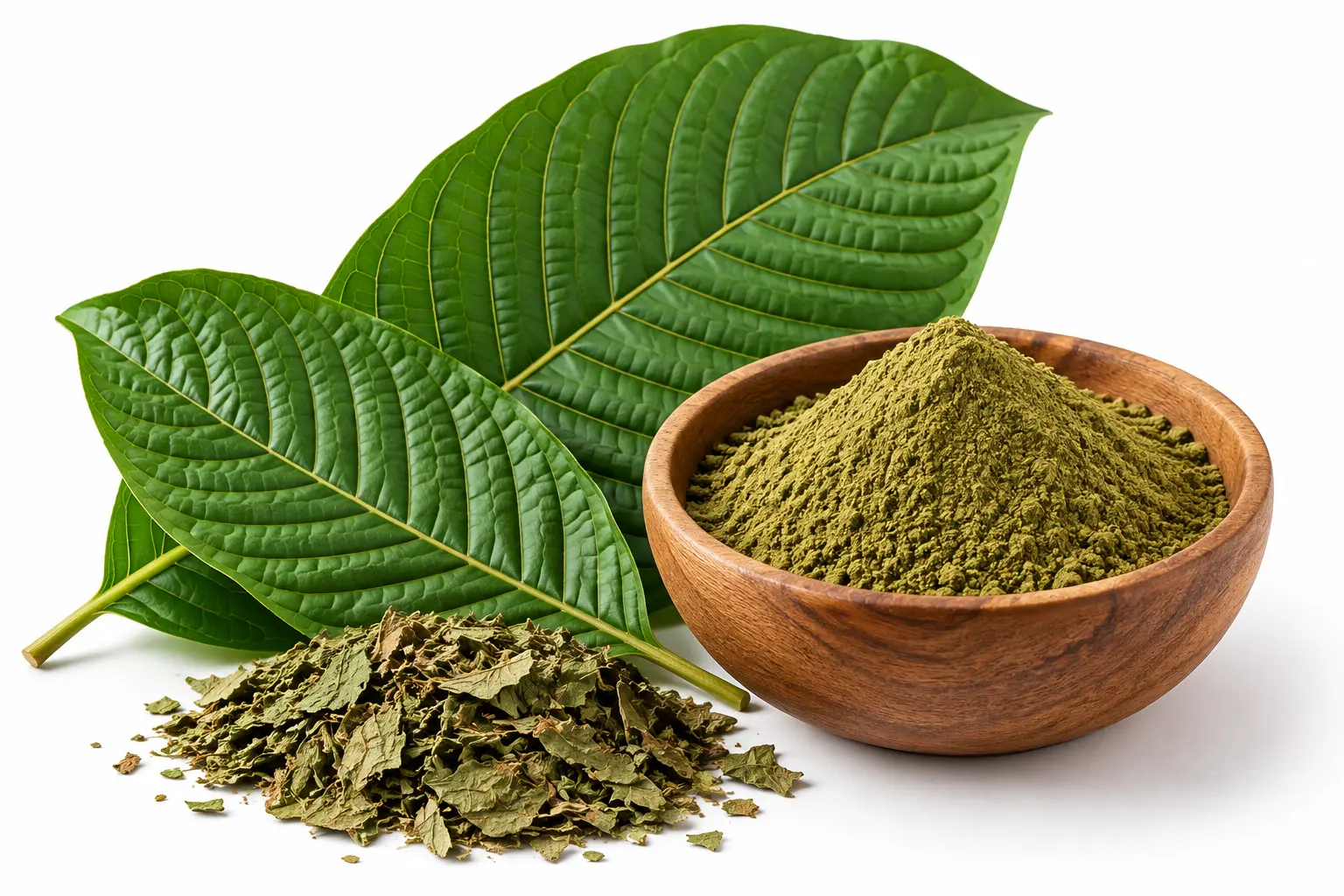
7-OH is an opioid-active compound associated with kratom. It occurs naturally in very small amounts in kratom leaf, but products sold as “7-OH” contain much more concentrated forms of the compound.

7-OH Usually Doesn’t
Appear Out of Nowhere
There are two patterns I keep seeing. For a lot of people, 7-OH is the next step in an older opioid or kratom story. There may have been pain pills, fentanyl, treatment, natural kratom or extracts before it.
For others, 7-OH was the first thing that really flipped the switch. They tried something sold as kratom, natural or safer—and suddenly discovered an opioid-like effect that felt unusually good or unusually normal.
Either way, what happens next can start looking very similar.
“The lights came on.”
For some people, the attraction isn’t simply getting high. It feels like energy, focus, comfort, confidence—or finally feeling normal.
From Leaf to Extracts to 7-OH
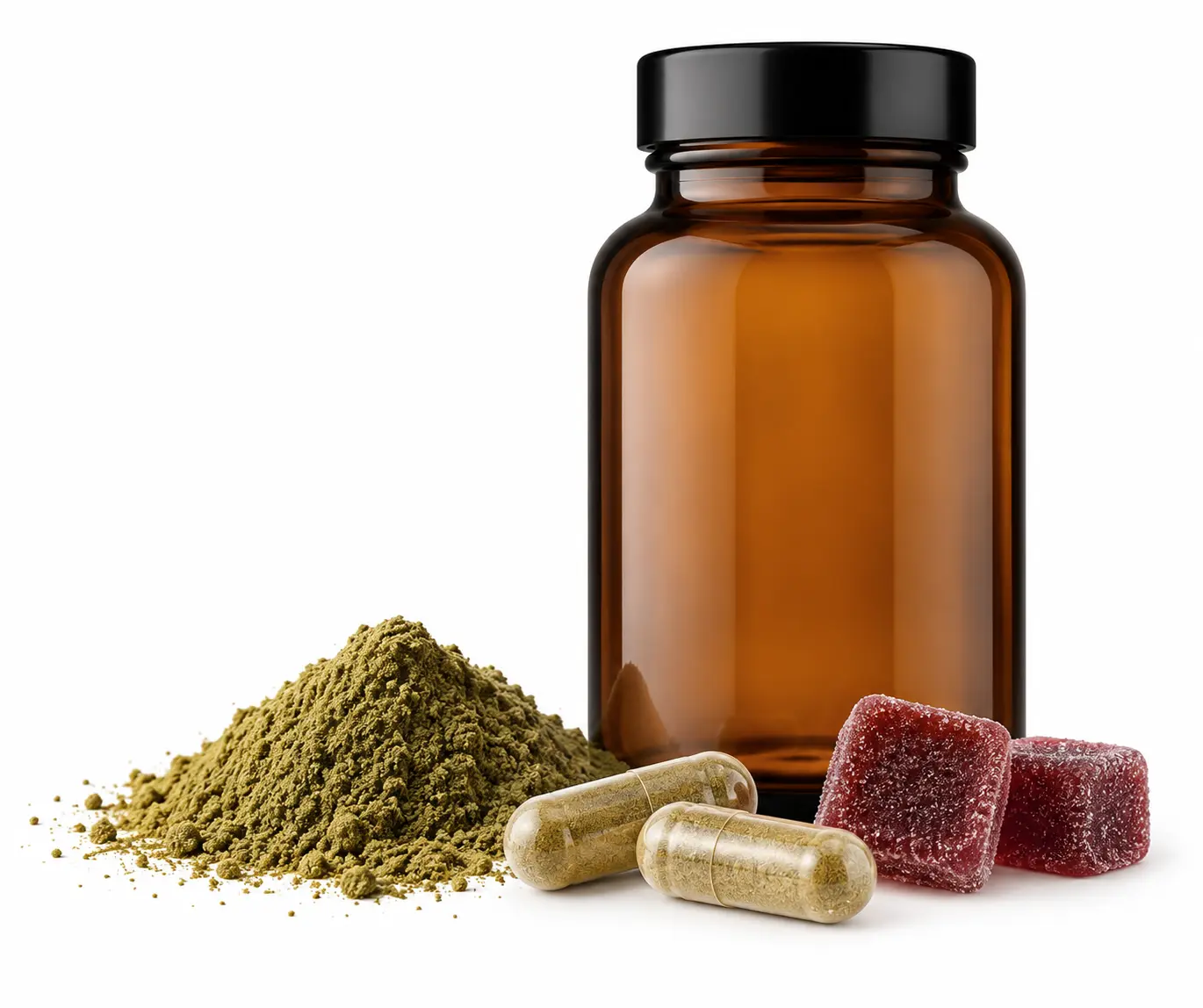
What changed wasn’t the existence of kratom. What changed was the concentration.
The connection between kratom and opioids goes back much further than today’s 7-OH products.
When 7-OH Becomes
Hard to Stop

Once 7-OH use becomes regular, the body adapts. As tolerance increases, doses often get larger, closer together, or both.
Eventually, the reason for taking it can change. You may have started because of how it made you feel. Now you’re taking it because of how you feel without it.
Withdrawal is difficult. It doesn’t have to keep you using.
There are practical ways to manage opioid-type withdrawal. The first step is figuring out what you’re taking, how much, how often, and what happens when you stop.
How long does 7-OH withdrawal last?
There isn’t one clock that applies to everyone. Dose, frequency, duration, the product itself and other substances all matter.
What is happening to you clinically matters more than somebody else’s hour-by-hour withdrawal chart.
How Do I Get
Off 7-OH?

Tapering can work for some people. For others, repeated withdrawal, cravings, or an inability to control the next dose makes medication treatment a more practical option. The right approach depends on your history, symptom severity, and what you’ve already tried.
Getting Through
Withdrawal Isn’t
the End of the Story

Withdrawal is a major step, but it’s not the same thing as treating the underlying problem. Ongoing treatment can help you stay stable, reduce cravings, and get your life back. The goal isn’t just to stop 7-OH — it’s to move forward into a healthier, more fulfilling life.
Less Cravings
Ongoing treatment can reduce cravings so you’re not constantly thinking about the next dose.
More Stability
Many people feel more emotionally and physically stable over time with the right treatment plan.
Better Sleep
As your body and brain readjust, sleep often improves, helping you feel more like yourself again.
Clearer Thinking
You can get your mental energy back and focus on the things that actually matter.
Real Life, Again
People often describe feeling more like themselves — with more time, energy, and freedom.
Long-Term Options
Ongoing treatment, including buprenorphine when appropriate, can help prevent relapse and support long-term recovery.
Learn about long-acting buprenorphine options →Let’s Talk About Your Next Step
Ongoing treatment can help you stay on track and keep moving forward.
Different Products.
Same Problem.
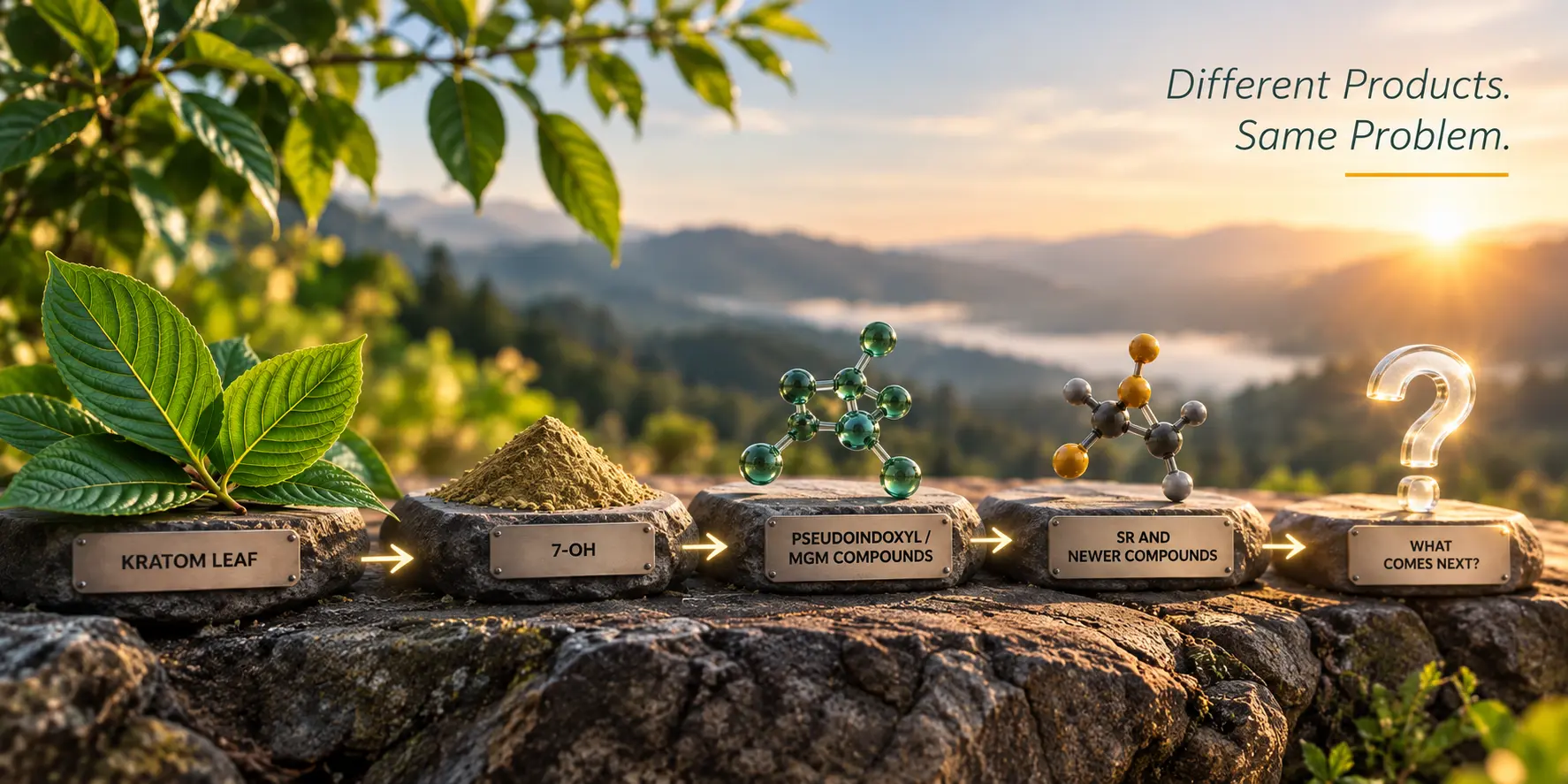
Kratom products have moved from traditional leaf to extracts, concentrated 7-OH, pseudoindoxyl and other newer compounds. The names may change. The packaging may change. But if you keep needing another opioid-like product to feel normal or avoid withdrawal, the underlying problem may not have changed at all.
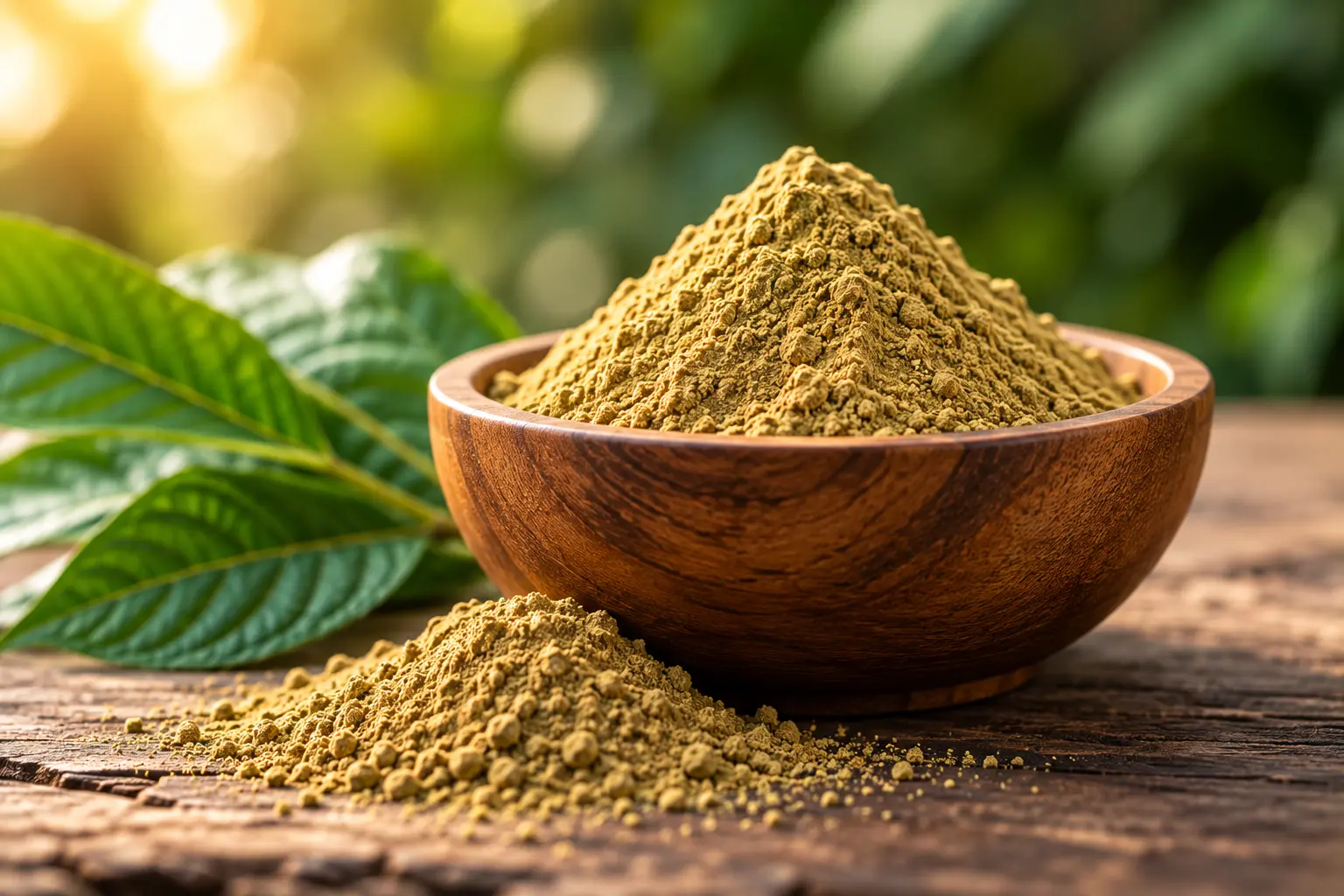
Kratom Leaf
Traditional plant material containing naturally occurring alkaloids.
7-OH / Concentrated Extracts
Increasingly concentrated products changed the experience — and for some people, the dependence.
Pseudoindoxyl / MGM
Newer related compounds appeared as the marketplace continued to evolve.
SR / Newer Compounds
Another product may be presented as the next solution — but a new molecule is not automatically treatment.

What Comes Next?
The next product name may be different. The cycle can still be the same.
The regulatory landscape is changing too.
Mitragynine pseudoindoxyl, MGM-15 and MGM-16 were temporarily placed in federal Schedule I effective August 26, 2026. SR-17018 was temporarily placed in federal Schedule I effective August 27, 2026. Concentrated 7-OH above a specified threshold is the subject of a separate federal temporary-scheduling Notice of Intent; that action is distinct from the temporary orders already in effect. The 7-OH proposal uses concentration thresholds and does not treat traditional kratom leaf containing naturally occurring trace levels of 7-OH the same as concentrated 7-OH products.
You Don’t Need to Know Exactly What Treatment You Need.
Make an appointment with a doctor who treats addiction. That doesn’t mean you have to go away, and you don’t have to know exactly what treatment you need. Start with a conversation.
Questions About 7-OH Withdrawal & Treatment
If you're trying to stop 7-OH, you probably don't need another complicated explanation. These are the questions I hear most often — and the practical answers I give patients.
How long does 7-OH withdrawal last?
There isn't one withdrawal timeline that applies to everyone. How much you're taking, how often you're taking it, how long you've been using it, the actual product you're taking and your previous opioid history can all change what withdrawal looks like.
I pay more attention to what is happening clinically than to somebody else's hour-by-hour withdrawal chart.
What are the symptoms of 7-OH withdrawal?
7-OH withdrawal can look very much like opioid-type withdrawal: restlessness, anxiety, trouble sleeping, sweating, chills, stomach symptoms, body aches, fatigue, irritability and strong cravings.
The severity varies. What matters is not only the list of symptoms, but how difficult they are making it for you to stop and stay off the product.
Can Suboxone help with 7-OH withdrawal?
Buprenorphine, the active medication in Suboxone®, can be used to treat opioid-type withdrawal and cravings. In the right patient, it can provide enough stability to stop repeatedly cycling between withdrawal and the next dose.
But my goal isn't simply to make withdrawal disappear. Withdrawal is a step. Treatment is what comes after it.
When can I take Suboxone after stopping 7-OH?
I don't use one fixed number of hours for everybody. The safer question is whether enough opioid withdrawal is actually present when buprenorphine is started.
Timing depends on the product, dose, frequency of use, other substances and your clinical symptoms. That's why I would rather evaluate the person in front of me than tell everyone to follow the same clock.
Can starting Suboxone too soon after 7-OH cause precipitated withdrawal?
Yes. Starting buprenorphine before sufficient opioid withdrawal is present can trigger precipitated withdrawal.
That's why the answer to “How many hours should I wait?” isn't always another number. What you've been taking and what your withdrawal actually looks like matter.
Can I taper off 7-OH instead of using Suboxone?
For some people, yes. A planned, gradual taper can be reasonable, particularly when use has been shorter-term, the dose is manageable and the person can consistently follow the taper.
The problem is that many people already know how hard that can become. If withdrawal or cravings repeatedly pull you back to the previous dose, it may be time to consider another approach.
Do I need detox or rehab to stop 7-OH?
Not necessarily. Many people with opioid-type dependence can be evaluated and treated in an office-based setting without going away to a detox or residential facility.
Some people do need a higher level of care because of severe symptoms, other substances, medical or psychiatric concerns, or an inability to remain safe. The setting should fit the person — not simply the name of the substance.
Is 7-OH the same thing as kratom?
No. Traditional kratom leaf contains multiple naturally occurring alkaloids. 7-OH (7-hydroxymitragynine) is one opioid-active compound associated with kratom, but today's concentrated 7-OH products are very different from simply using traditional leaf.
That difference in concentration is important when we're talking about tolerance, dependence and withdrawal.
What are pseudoindoxyl and MGM compounds?
These are 7-OH-related opioid-active compounds that have appeared as this market has evolved. Mitragynine pseudoindoxyl, MGM-15 and MGM-16 are now temporarily controlled as federal Schedule I substances.
The larger point for someone struggling with these products is simple: changing to another molecule does not necessarily mean the opioid problem has been treated.
Are SR products a way to get off 7-OH?
I would not consider an unregulated SR product a proven treatment for 7-OH dependence. SR-17018 is an experimental opioid compound, not an established medication for opioid use disorder, and it is now temporarily controlled as a federal Schedule I substance.
People are discussing and using these products for withdrawal, and early self-reported observations are now appearing. But that is very different from having controlled human evidence of safety and effectiveness. Replacing one opioid-active compound with another may change the withdrawal experience without treating the underlying addiction.
What happens after I get through 7-OH withdrawal?
This is the part I don't want people to overlook. Getting through withdrawal does not automatically remove cravings, the attraction to the opioid effect, or the reasons you kept returning to it.
Detox is not treatment. The next step is deciding what will give you enough stability to keep the problem under control and get your attention back onto your life.
Can I be treated for 7-OH dependence without going away to a treatment facility?
Often, yes. Addiction treatment does not automatically mean leaving work, family and normal life to enter a facility.
For appropriate patients, evaluation, withdrawal management and ongoing medication treatment can be provided through office-based addiction care. If a higher level of care is actually needed, that decision can be made after the evaluation rather than assumed from the beginning.
Still Not Sure What You Need?
You don't have to diagnose yourself or choose your treatment before making an appointment. Start with a conversation and figure out the next step from there.
Schedule a Confidential Appointment