

Private • Affordable • Direct Physician Care
Alcohol Detox
at Home
in Pennsylvania
Physician-supervised treatment for alcohol withdrawal without automatically putting your life on hold.
For appropriate patients, Dr. James B. Watson provides individualized alcohol withdrawal treatment that can be managed from the privacy and comfort of home.
Directly with Dr. Watson
Your privacy matters here
Treatment designed around your life

in Addiction Medicine
to Dr. Watson
Private Office
Telemedicine
Alcohol Detox Doesn't Always Mean Checking Into a Facility
For many appropriately selected patients, alcohol withdrawal can be medically managed outside of a hospital or residential detox center. The goal is safety, not where you are.
Home Doesn't Mean Doing It Alone
This is not quitting cold turkey on your own. It's a structured medical approach with evaluation, monitoring, treatment when needed, and a plan to escalate care if symptoms worsen.
FEWER THAN 20%
In a review of outpatient alcohol-withdrawal studies, fewer than 20% of patients undergoing withdrawal required inpatient admission.
SOURCE: Review of outpatient alcohol-withdrawal management literature.ONLY 10.6%
In a study of 487 patients already admitted to an inpatient chemical-dependency treatment center, only 52 (10.6%) had withdrawal severe enough to require medication.
SOURCE: Sullivan JT, et al. Quantification of the alcohol withdrawal syndrome in 487 alcoholic patients.PREFERRED WHEN APPROPRIATE
ASAM guidance recognizes ambulatory withdrawal management as the preferred setting when there are no indications requiring inpatient treatment.
SOURCE: ASAM Clinical Practice Guideline on Alcohol Withdrawal Management.Why This Matters: An Important Option for More People
Ambulatory alcohol withdrawal management can provide an important alternative for appropriately selected patients while preserving higher-level resources for those who need them.
Inpatient resources are not always readily available and are often needed for more severe or complicated withdrawal.
Ambulatory treatment can be substantially less expensive than inpatient hospitalization or residential detoxification.
Appropriate patients can remain at home while reducing disruption to work, family, housing, and everyday responsibilities.
For some people, an accessible outpatient option may make the difference between receiving medically supported care and receiving no withdrawal support at all.
Alcohol Detox at Home
Dr. Watson separates common assumptions about alcohol detox from what the medical evidence actually shows.
The Goal Is Matching the Right Level of Care to Your Needs
Not everyone needs inpatient detox, and not everyone should detox at home. The first step is determining who can be safely managed in an ambulatory setting and who needs a higher level of care. Safety comes first. Always.
You May Have More Options Than You Think
The first step is a confidential evaluation with Dr. Watson to determine the safest and most effective approach for you.
Could I Be a Candidate for Alcohol Detox at Home?
Home detox can be a safe, effective option for the right person— but it's not right for everyone. The purpose of your initial medical evaluation is to determine your risk and recommend the most appropriate level of care before you begin withdrawal.

Home Detox May Be Appropriate When:
- ✓ You have a history of mild to moderate withdrawal without complications
- ✓ No history of delirium tremens (DTs), withdrawal seizures, or hallucinations
- ✓ You are medically stable with no serious or unstable medical conditions
- ✓ You have a safe, private home environment
- ✓ A responsible adult is available to stay with you during the process
- ✓ You are motivated to stop drinking and engage with your treatment plan
- ✓ You can communicate with your physician and attend follow-up appointments
A Higher Level of Care May Be Needed If:
- ! You have a history of delirium tremens (DTs)
- ! You have had withdrawal seizures
- ! You have experienced hallucinations or severe confusion during past withdrawal
- ! You have multiple prior detox attempts with complications
- ! You have significant medical conditions that are unstable or not well controlled
- ! You have severe mental health conditions that are not stable
- ! You are unable to have a responsible adult with you during withdrawal
The Best Next Step? Get Evaluated.
You don't have to decide for yourself whether home detox is appropriate. Dr. Watson will review your drinking and withdrawal history, overall health, medications, and current situation to determine the safest level of care.
Every plan is individualized. Your safety is always the top priority.
What Does Alcohol Detox at Home Actually Look Like?
Home detox is a structured medical process—not doing it alone. You'll have a plan, a support person, regular monitoring, medication when appropriate, and a clear plan if a higher level of care becomes necessary.

For most appropriately selected patients, the acute alcohol withdrawal process is largely completed within about
Evaluation & Planning
- Dr. Watson reviews your drinking history, medical history, medications, and previous withdrawal experiences.
- We determine whether home treatment is appropriate for you.
- We create your individualized plan and confirm your support person.
Make sure home detox is the right and safest choice before you start withdrawal.
Withdrawal & Closest Monitoring
- Withdrawal symptoms typically emerge and may intensify.
- Your symptoms and response to treatment are monitored closely.
- Medication is used when appropriate.
- Your support person stays with you.
Manage symptoms safely and watch for signs that a higher level of care may be needed.
Symptoms Usually Begin Improving
- For many patients, the more significant symptoms are starting to settle.
- Monitoring continues because the course is not the same for everyone.
- We adjust the plan as needed.
Support continued improvement and make sure you're on the right track.
Completing the Acute Withdrawal Phase
- For most uncomplicated cases, the acute withdrawal-management period is largely behind you.
- We assess how you're doing and make sure you're stable.
- This is not the end of care—just the end of the acute withdrawal phase.
Confirm stability and prepare for the next phase of treatment.
Stay Connected
- Follow-up appointments keep you supported.
- We address sleep, mood, nutrition, stress, and cravings.
- We begin planning the next steps of your treatment.
Transition from detox into ongoing treatment focused on maintaining control.
If the Plan Needs to Change, the Setting Needs to Change.
Home detox is appropriate only while it remains medically appropriate. If Dr. Watson determines during the withdrawal process that you need hospital evaluation or a higher level of care, you must be willing to follow that recommendation.
This expectation is established before home detox begins as part of the treatment and consent process.
The goal isn't to keep you at home at all costs. The goal is to manage withdrawal in the least restrictive setting that remains safe and appropriate.
Five to Seven Days Is the Withdrawal Phase. What Comes Next Matters Too.
Detox is the first step. Once you're through withdrawal, we turn our attention to treating the alcohol use disorder and helping you maintain control and move forward with your life.
What Should I Expect During Home Detox?
For many appropriately selected patients, the transition is relatively smooth. Some may notice little withdrawal. Others may develop symptoms that are managed with medication prescribed as part of your individualized plan.
If symptoms develop, you'll follow the instructions for what medication to take and when to take it.

What the Process Can Look Like
1. FEELING WELL
You may notice little to no withdrawal. Continue following your plan and stay in touch as recommended.
2. SYMPTOMS DEVELOP
If withdrawal symptoms occur, take medication as instructed in your plan and stay in communication.
3. SYMPTOMS CONCERNING OR NOT IMPROVING
Contact Dr. Watson right away. We will reassess and determine whether the plan should change or a higher level of care is needed.
You Have Direct Access to Dr. Watson 24/7
During your home detox, you can reach Dr. Watson by phone at any time, day or night. If you have a question, notice a change, or are unsure about a symptom or medication, call—we're here.
When to Call Right Away
If something doesn't feel right or you're worried—don't wait. Call. We would rather hear from you and provide reassurance than have you wonder.
- Seizure
- Confusion or disorientation
- Hallucinations
- Severe agitation or restlessness
- Persistent vomiting or inability to keep fluids down
- Chest pain, trouble breathing, or other serious symptoms
Our goal is your safety and your success.
Home detox is appropriate only while it remains safe and effective. We monitor your progress closely and are ready to adjust the plan if needed.
Getting Through Withdrawal Is Step One. Staying in Control Is the Goal.
Alcohol detox treats the withdrawal phase. It does not, by itself, treat the alcohol use disorder that led to withdrawal in the first place. Once the acute withdrawal period is behind you, treatment can shift toward helping you maintain control, reduce the risk of returning to problematic drinking, and get on with your life.
Detox Doesn't Have to Be the End of Your Medical Care.
Instead of completing withdrawal and then having to find someone new to help with what comes next, your care can continue directly with the same physician who guided you through the detox process.
The Doctor You Start With Is the Doctor Who Stays With You.
Dr. Watson can continue working with you after withdrawal to develop an individualized treatment plan for Alcohol Use Disorder. That may include medication, counseling or psychotherapy, continued physician follow-up, or a combination of approaches based on what fits your needs.
Treating Both Sides of Alcohol Use Disorder
Effective treatment can address both the biological and behavioral components of alcohol use disorder. There is no single approach that is right for everyone.
Biological Treatment
Medication can help reduce alcohol cravings, support continued control, or reduce the reinforcing effects of alcohol.
- Individualized medication selection
- Ongoing physician monitoring
- Adjustments based on your response and goals
- Options that do not require residential treatment
Behavioral Treatment
Behavioral care can address habits, triggers, relationships, stress, and the patterns that may contribute to alcohol use.
- One-on-one counseling or psychotherapy
- Group treatment when useful
- Support based on your individual needs
- Treatment is not limited to a single recovery model
There Are Several Medication Options for Alcohol Use Disorder
Medication treatment is individualized. Depending on your history, health, treatment goals, and response, options may include:
Some medications may be used off-label when clinically appropriate. Treatment recommendations are individualized after medical evaluation.
Treatment After Detox Can Take Different Paths
Getting through withdrawal is the first step. What comes next can be individualized around your health, goals, and the kind of support that fits your life.
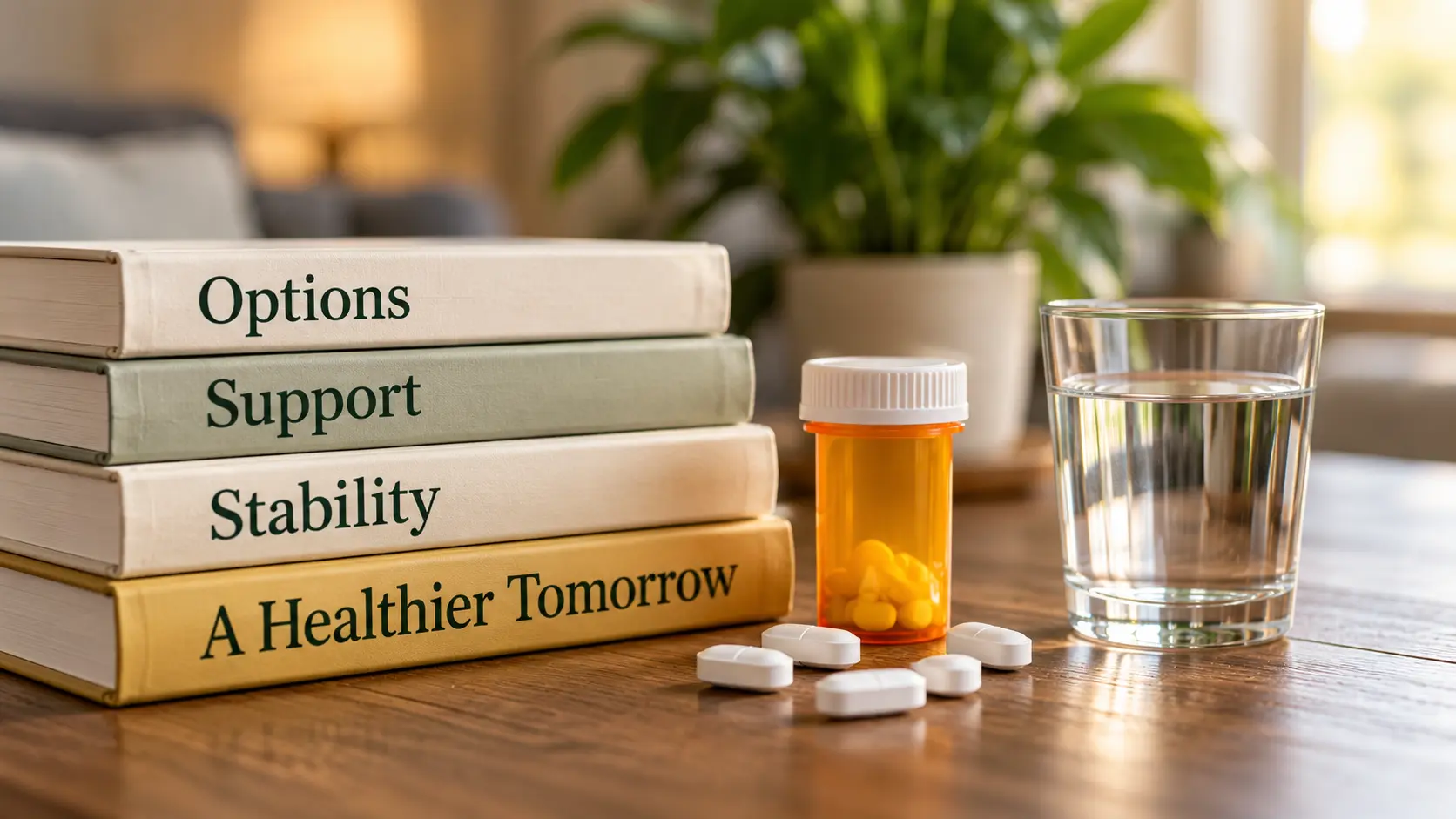
Options That Support Stability
Several medications can help reduce cravings, support continued control, or reduce the reinforcing effects of alcohol.
Explore Medication Options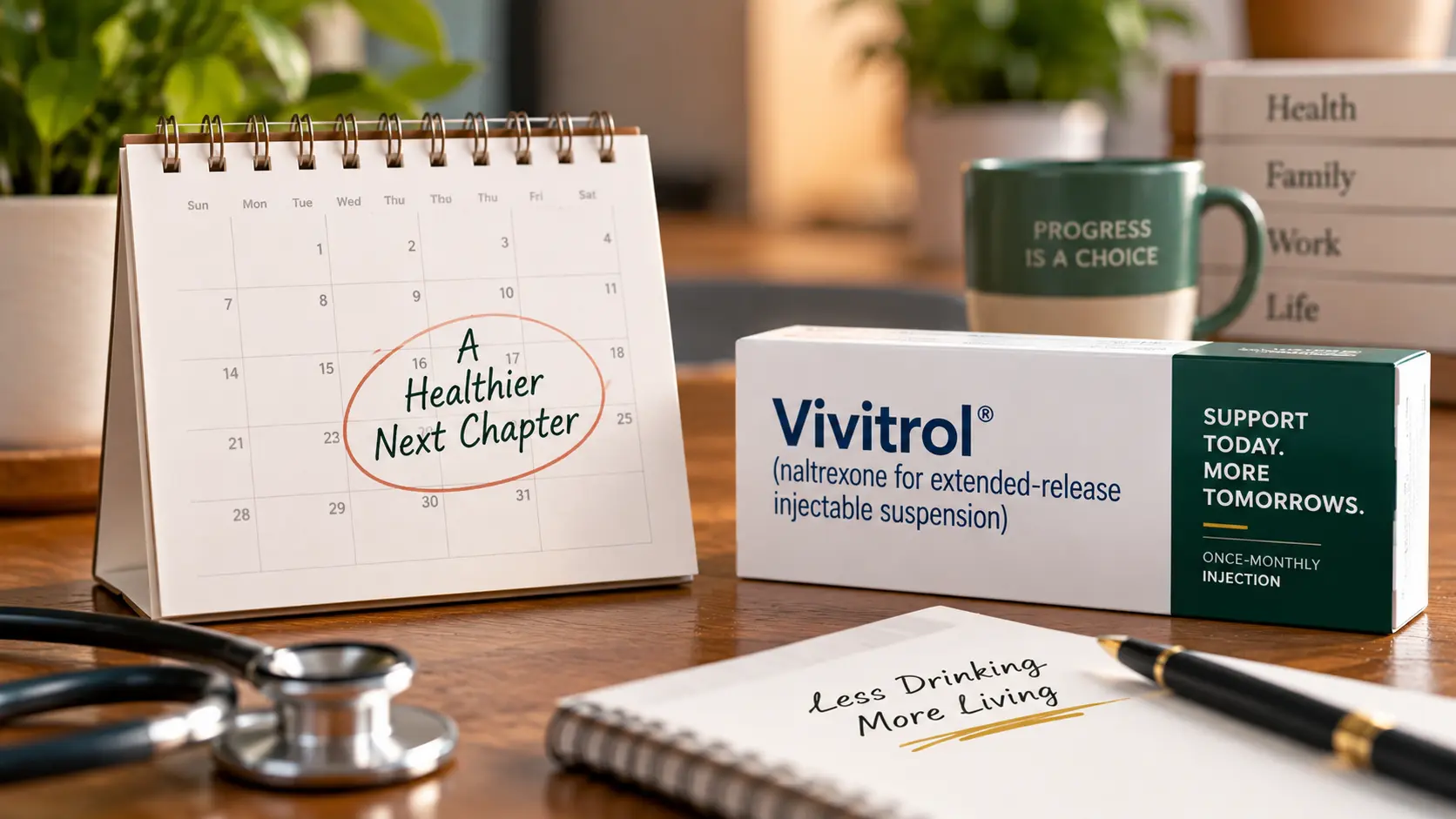
Vivitrol® for Alcohol Use Disorder
Extended-release naltrexone is a once-monthly option that may help some patients reduce alcohol use without taking a daily medication.
Learn About Vivitrol
Treatment Is More Than Medication
Counseling and behavioral treatment can address habits, triggers, stress, relationships, and the patterns that contribute to alcohol use.
Explore Counseling OptionsThe Goal Isn't Just to Get Through Five to Seven Days.
The goal is to help you move beyond withdrawal and build a treatment plan that works with your life—privately, individually, and directly with your physician.
Alcohol Detox at Home: Frequently Asked Questions
Deciding how to manage alcohol withdrawal can raise a lot of questions. These answers explain how physician-supervised home detox works and why medical evaluation comes first.
Can alcohol detox really be done safely at home?
For appropriately selected patients, yes. Alcohol withdrawal can often be managed in an outpatient or home setting when a medical evaluation indicates that the patient's risk is appropriate for that level of care.
Home detox does not mean stopping alcohol on your own. It involves an individualized treatment plan, monitoring, a responsible adult available during the withdrawal period, medication when appropriate, and a plan for obtaining a higher level of care if the situation changes.
How long does alcohol detox at home take?
For many appropriately selected patients, the acute alcohol withdrawal phase is largely completed within approximately five to seven days. The exact course varies from person to person depending on drinking history, previous withdrawal experiences, overall health, medications, and other individual factors.
Completing withdrawal is not necessarily the end of treatment. Attention can then shift toward treating the underlying Alcohol Use Disorder and helping you maintain control.
Will I need medication during alcohol detox?
Not everyone experiences alcohol withdrawal in the same way, and not everyone requires the same medication.
When you begin physician-supervised home detox with Dr. Watson, you will have medication available at home in case it is needed, along with clear instructions about what to take and when to take it. Some patients may experience relatively little withdrawal, while others may need medication as symptoms develop.
Do I need someone to stay with me during home detox?
Yes. A responsible adult must be available to stay with you during the withdrawal process. Having another person present is an important part of making home withdrawal management as safe as possible.
Your support person should also understand the treatment plan and know when to contact Dr. Watson if there is a concern or meaningful change in your condition.
What happens if my withdrawal becomes worse than expected?
During your home detox, you have direct phone access to Dr. Watson 24 hours a day. If symptoms change, become concerning, or are not responding as expected, you should contact him right away.
Home treatment remains appropriate only while it remains medically appropriate. If Dr. Watson determines that you need hospital evaluation or another level of care, the treatment plan changes and you must be willing to follow that recommendation.
What happens after alcohol detox is completed?
Detox is the first step, not the entire treatment. Withdrawal management addresses the immediate physical transition, but it does not by itself treat the Alcohol Use Disorder that led to withdrawal.
Your care can continue directly with Dr. Watson after detox. Ongoing treatment may include medication for Alcohol Use Disorder, continued physician follow-up, counseling or psychotherapy, group treatment when useful, or a combination of approaches based on your individual needs.
Can I smoke cigarettes during alcohol detox?
Smoking does not have to be stopped at the same time as alcohol withdrawal. If you smoke cigarettes, you can continue smoking during the detox process.
Tobacco use can be addressed separately when you are ready. The immediate priority during alcohol detox is safely managing the alcohol withdrawal process.