
Counseling Options
Beyond 12 Steps
Evidence-based support for
real people and real lives.
12-step programs help many people, but they’re not the only path to recovery. There are several effective counseling and support options for alcohol use disorder. The best approach is the one that fits your goals, your values, and your life.

The Short Answer
Counseling can help you build new skills, manage triggers, and stay on track. There are many effective approaches beyond 12-step programs. The best option depends on your goals, preferences, and what fits into your life.
Counseling Options That Work
There’s more than one path. Here are some of the most commonly used counseling and support approaches for alcohol use disorder.
Individual Counseling
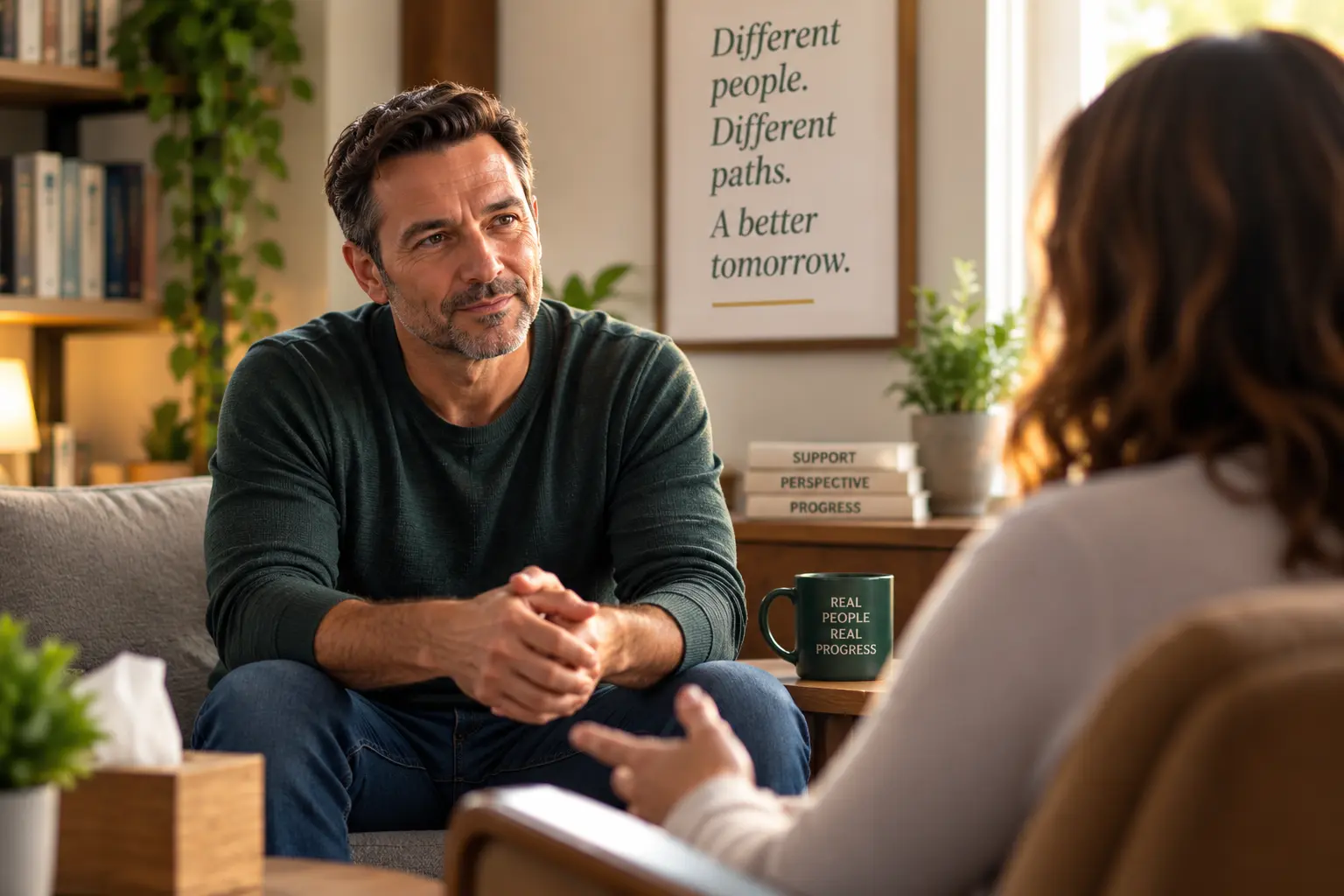
One-on-one sessions with a trained counselor can help you explore triggers, develop coping skills, and create an approach that fits your goals and your life.
Group Counseling
Sharing experiences with others can reduce isolation, provide encouragement, and help you learn from people who understand what you’re going through.
Cognitive Behavioral Therapy (CBT)
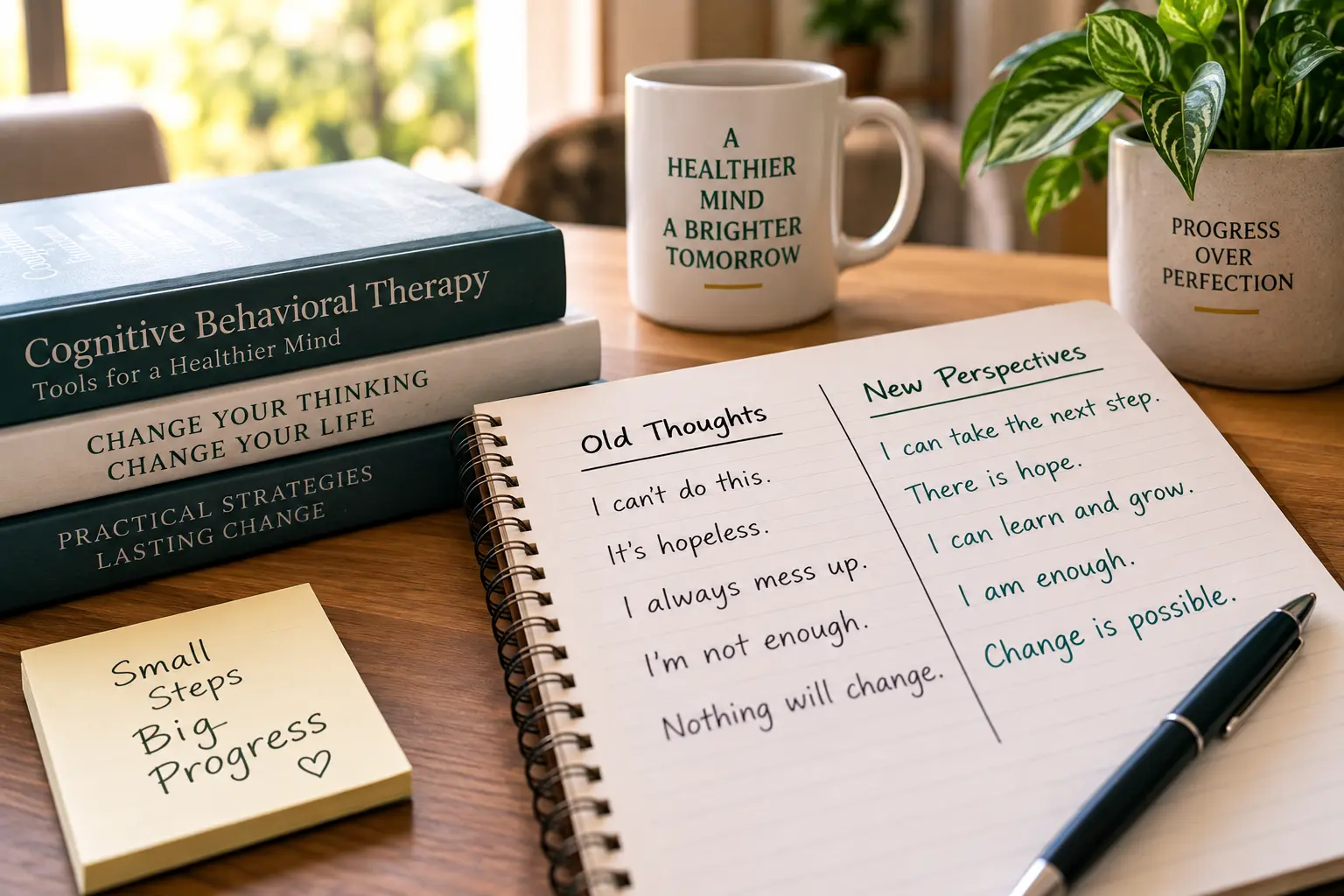
CBT helps identify unhelpful thought and behavior patterns and develop healthier responses. It is one of the most widely studied behavioral approaches used for substance use disorders.
Motivational Interviewing (MI)
MI helps you explore and strengthen your own motivation for change. It is collaborative and built around your goals, values, and reasons for moving forward.
Family Therapy
Alcohol use disorder often affects the whole family. Family therapy can improve communication, repair relationships, and help loved ones learn how to provide healthy support.
Telehealth Counseling
Virtual counseling can offer a flexible and private way to get support, especially when work, transportation, family obligations, or distance make in-person appointments difficult.
Finding the Right Fit for You
The best counseling option depends on your goals, preferences, values, and life situation.
- Consider what feels comfortable and realistic for you.
- Think about your schedule, location, and access to care.
- Look for an approach that fits your values and beliefs.
- Be open to trying different options.
- Remember that counseling approaches can be combined.
There’s no single “right” choice. Many people find that a combination of counseling, medication, and ongoing physician follow-up provides the best support.

Support Looks Different for Everyone
Some people thrive in 12-step programs. Others prefer individual counseling, family therapy, telehealth, or a combination of approaches. What matters most is finding support that helps you make progress and maintain control over your life.
“Counseling isn’t about telling you what to do. It’s about helping you find your own answers and giving you the tools to move forward.” — James B. Watson, DO